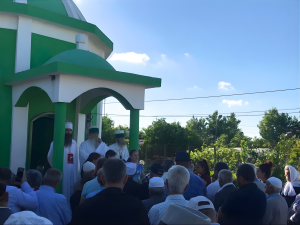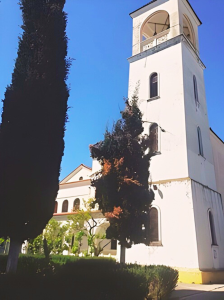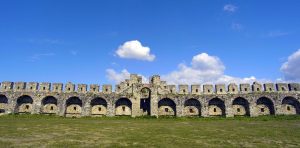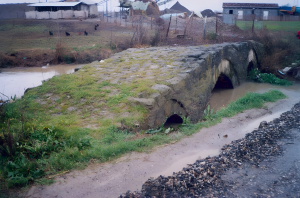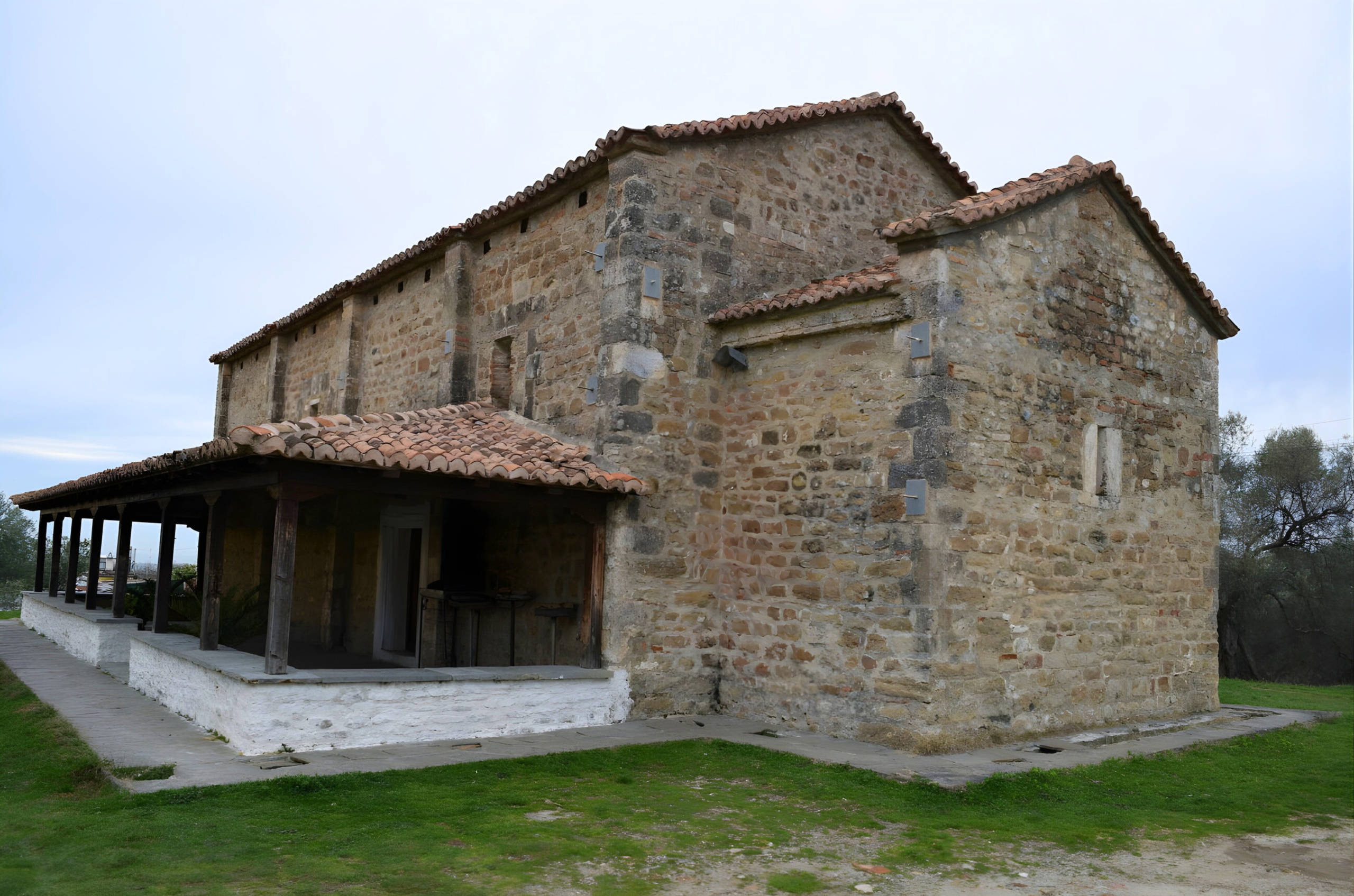
Built between the 14th and 15th centuries in the village of Çetë, it is known for its Byzantine architecture and preserved frescoes, some by Zografin and Kostandin Shpataraku. Formally Catholic, it later became Orthodox — and was declared a Cultural Monument in 1960.